How to Tell If State Medical Debt Relief or Buyback Programs Can Help Your Credit in 2025
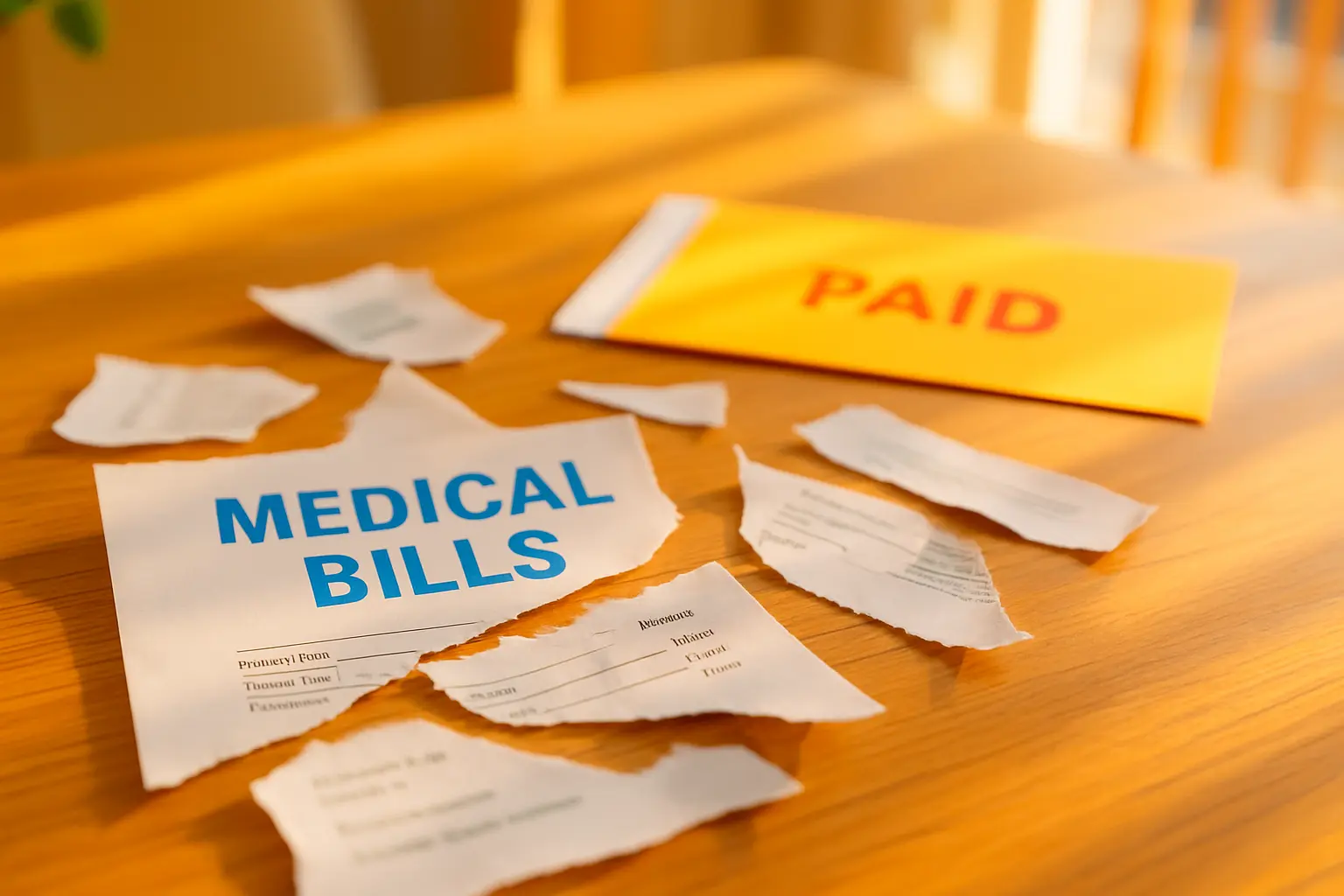
Imagine you receive a letter one autumn day, and inside you learn your medical bills—racking up stress for years—are wiped clean. This unexpected reality is hitting home for thousands as states intensify medical debt relief via buyback programs, expanded Medicaid-linked forgiveness, and improved credit policies. But how do these approaches truly differ, and what should you look for as 2025 ends?
Are Medical Debt Relief, Buybacks, and Credit Cleanses the Same Thing?
States now take several routes to ease residents’ medical debt burdens, yet each model operates differently. Direct relief programs—as seen in North Carolina, Cleveland, New Jersey, Illinois, and Minnesota—use public money and partner charities to buy back debt for pennies on the dollar, then forgive it automatically for qualifying folks (common cut-offs: household income under 400% of the poverty line or debt exceeding 5% of income). That’s different from older “credit cleanses”—the recent credit reporting changes that mean most medical debt under $500, and many paid/settled accounts, no longer appear on credit reports. Meanwhile, Medicaid-linked relief (notably in North Carolina) now ties expanded charity policies directly to hospital funding incentives—automating both past and continuing debt waivers.
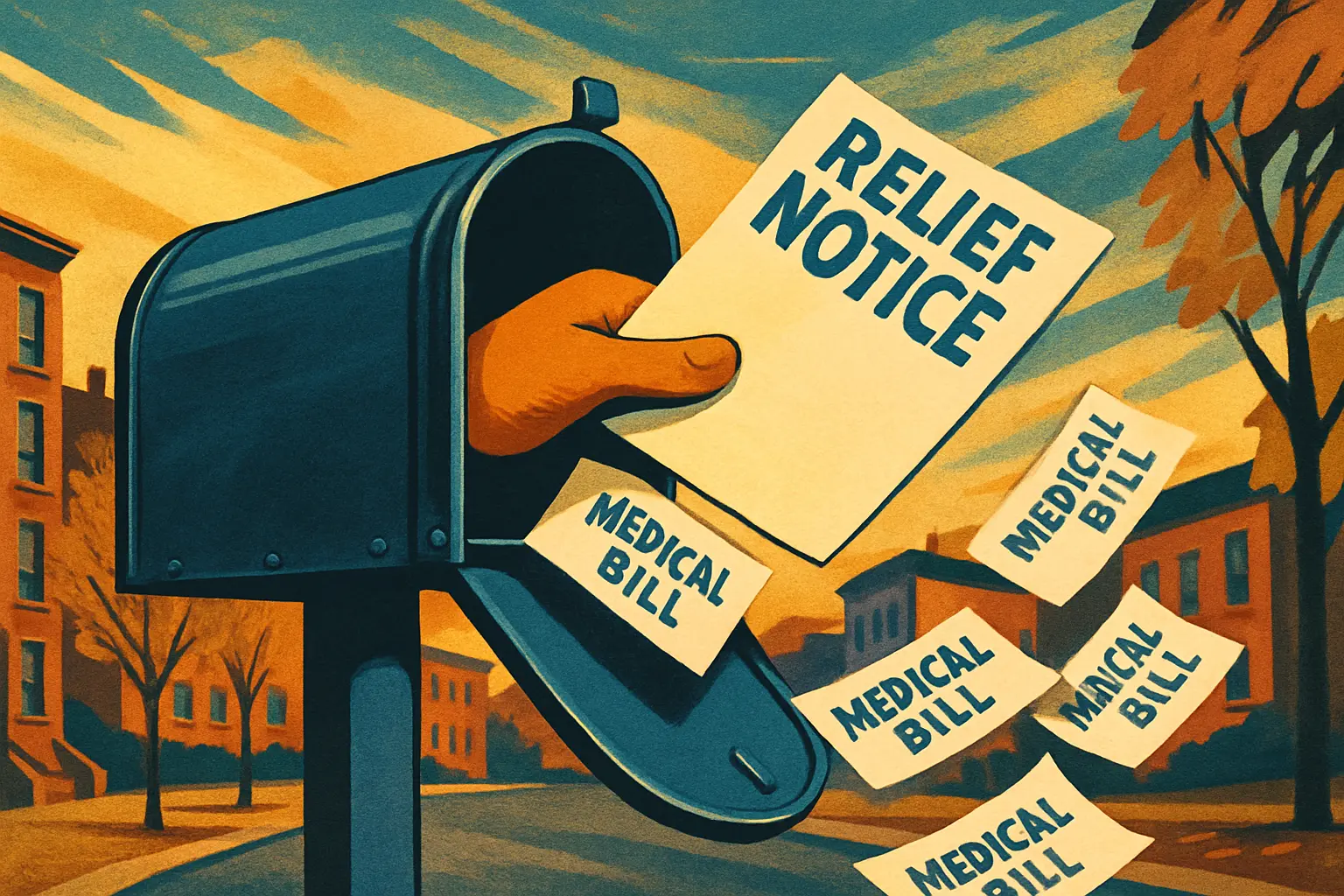
“Not every program requires you to apply—a surge in automatic relief means checking the mailbox (and your credit report) are now essential steps to spotting erased debt.”
What Should You Check (and When) to See If You’re Affected or Eligible?
Timelines and rules vary state by state—so prioritize these practical checks as 2025 comes to a close. First: look for letters from groups like Undue Medical Debt, state health agencies, or your hospital system. States like Minnesota, Illinois, and Cleveland’s programs require no application—they’ll notify you by mail if you’re included. In North Carolina, most current and former Medicaid recipients, plus low-income patients at qualifying hospitals, automatically receive relief dating as far back as 2014 (full criteria here). For buyback-style programs, income limits and debt-size thresholds are common, but timing matters: check current program status on your state health site, especially if you faced a major bill in past years. Meanwhile, federal rules mean that paid or cleared medical debt should already have vanished from your credit report—review your file at AnnualCreditReport.com and dispute any errors.
“If you think you should qualify but didn’t get a notice, directly contacting your state’s health department or searching recent program updates could reveal overlooked options.”
Which States Forgive Medical Debt Automatically—and How Could More Relief Roll Out?
More states and cities are emulating North Carolina’s Medicaid-rewarded debt waiver system and direct buyback partnerships. Key features of automatic relief: no complex forms, retroactive coverage, and protection against credit damage. States adopting this approach include New Jersey, Minnesota, Illinois, some Ohio cities (like Cleveland), and rapidly expanding others. Watch for fresh pilot programs or expanded eligibility moving into 2026 as federal funding and Medicaid policies adapt. States often update criteria mid-year—if you struggled with medical bills, a key step is to stay alert to new local or statewide debt-relief news. Proactive hospitals may even reclassify debts as charity care, erasing them, especially as new charity care mandates become the norm across many regions.
“Each program is unique—what didn’t apply yesterday might now include your past bills as rules broaden and awareness grows.”
Ready to find out if one of these changes could benefit you or a family member? Use your state’s official medical debt relief tool or charity care finder, and review your credit report before the year wraps up—just a few minutes could uncover unexpected relief.