
How to Find the Most Generous No-Cost Crisis Counseling in Your State This Winter
Picture a snowy morning when the weight of your challenges finally feels too much—but help is just a phone call or click away. In the past year, several states have expanded no-cost crisis counseling, making it simpler to find emotional support and bounce back after tough events or disasters.
What’s Fueling the Growth in Free Crisis Counseling—and Where Is It Widest?
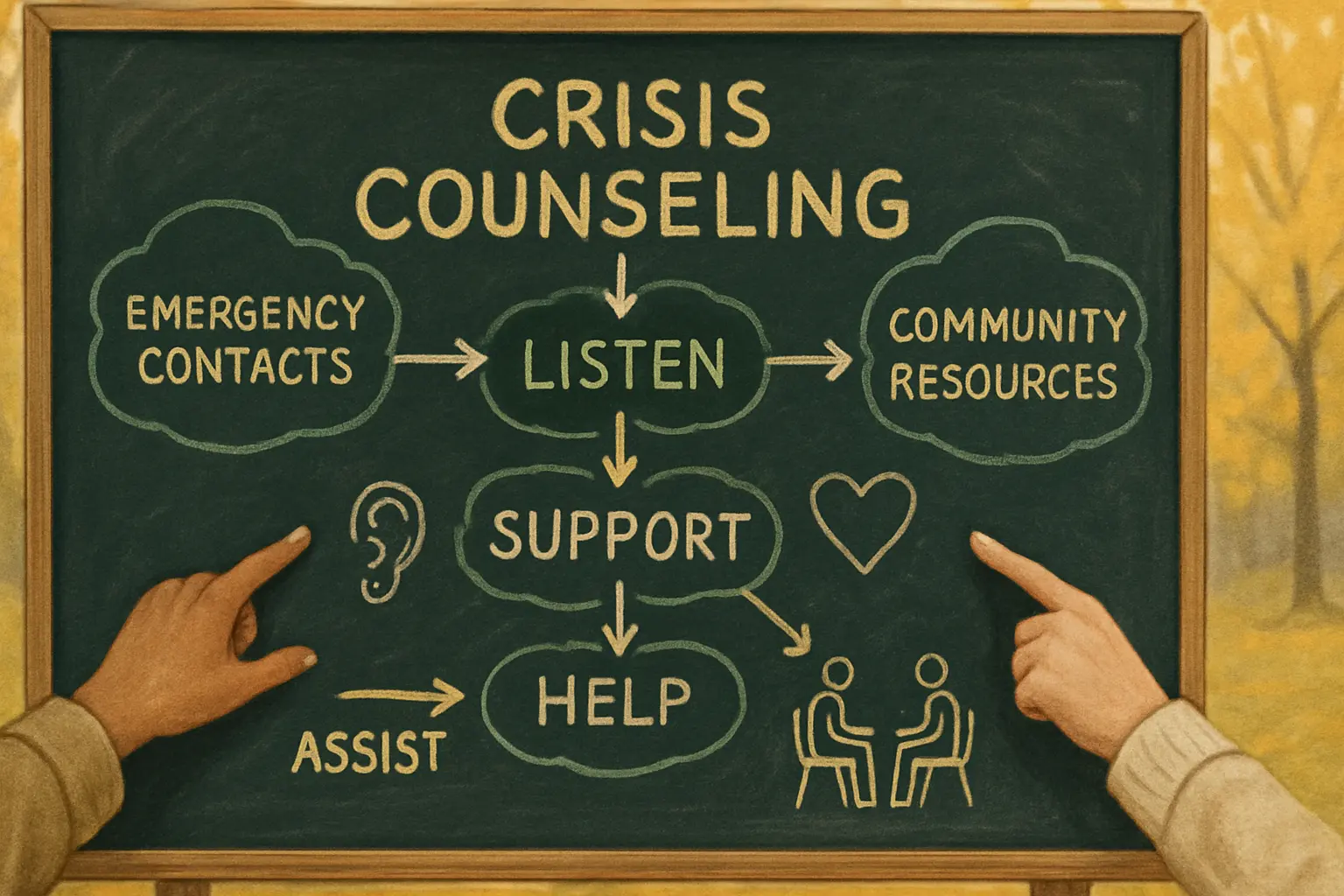
Over the winter, an important federal program—the Crisis Counseling Assistance and Training Program (CCP)—has dispatched extra help to states facing natural disasters, public health emergencies, and higher mental health needs. These expansions translate to more trained professionals meeting community members, hosting local events, and offering relief for anyone facing anxiety, loss, or overwhelming stress.
Unlike traditional insurance-based care, CCP funding lets states, U.S. territories, and tribes offer one-on-one crisis support, referrals, and public education at no cost—making time-sensitive help more reachable for residents who might not otherwise seek it.
This winter, crisis counseling is broadest in states recently impacted by floods, wildfires, or major storms—like California, Louisiana, Kentucky, or Oklahoma. Any resident, regardless of income, can tap these no-cost programs. In many places, special outreach also covers youth, seniors, rural families, and community organizations. Other states have activated regional 24-hour hotlines and rapid-response specialty teams, supplementing the nationwide 988 Lifeline support. Check your state’s health department or emergency management website to find out if new CCP-funded offerings are available during the current season.
Accessing Help Quickly: How to Connect and What to Expect
Getting started is as simple as reaching out—either by phone, text, or online chat. Crisis counseling through CCP expansions never requires income documentation, insurance, or referrals; it’s always confidential, short-term, and oriented around practical coping strategies for immediate stress or grief.
While these services don’t provide ongoing therapy or medication, countless Americans have found rapid support managing sleepless nights, storm anxiety, financial losses, or family strain in the wake of disaster.
- To connect immediately, use your state’s official disaster relief portal, county mental health page, or search for “state name” Crisis Counseling Program. Many feature real-time chat and text options for those unable to call.
- You’ll meet with trained counselors (not bots!) either virtually or in-person at schools, workplaces, or mobile outreach events.
- Help might include stress reduction exercises, emotional check-ins, or referrals for ongoing mental health needs if your concerns last beyond short-term care.
- Several states also offer youth peer support groups, caregiver stress workshops, and information on specialized resources for older adults, veterans, and people with disabilities.
All interactions are free, and you can return as needed—there’s no penalty or time limit during designated emergency coverage periods.
Getting the Most Benefit—What to Ask and How to Stay Updated
CCP and related crisis support programs change shape with the season. The most up-to-date benefit lists, service locations, and extra support (like transportation to community sessions) are usually posted on health department or official disaster webpages. During intense winter weather or declared emergencies, some services even expand regionally overnight.
If you’re not sure where to turn, dialing 988 connects you quickly to local and national teams who can direct you to pop-up or new community counseling events in your area.
- When reaching out, ask which CCP-affiliated programs have expanded in your zip code—both for telephone support and in-person help. Remember, regular updates and additional pop-up services are common during disaster declarations, so keep checking local portals.
- If you belong to a high-risk group (youth, senior, medically vulnerable, care provider, etc.), inquire if your group now qualifies for priority support or tailored peer groups this season.
- Bookmark or subscribe to your state’s mental health, emergency response, or CCP program page for the very latest relief, especially if your area is experiencing ongoing winter weather or recovery conditions.
Whether you’re facing your toughest winter yet or just want to prepare, don’t wait to ask what’s available—you might be surprised by how much no-cost, real-time counseling your state now guarantees. Find your nearest eligible programs today and step into winter with strong support behind you.