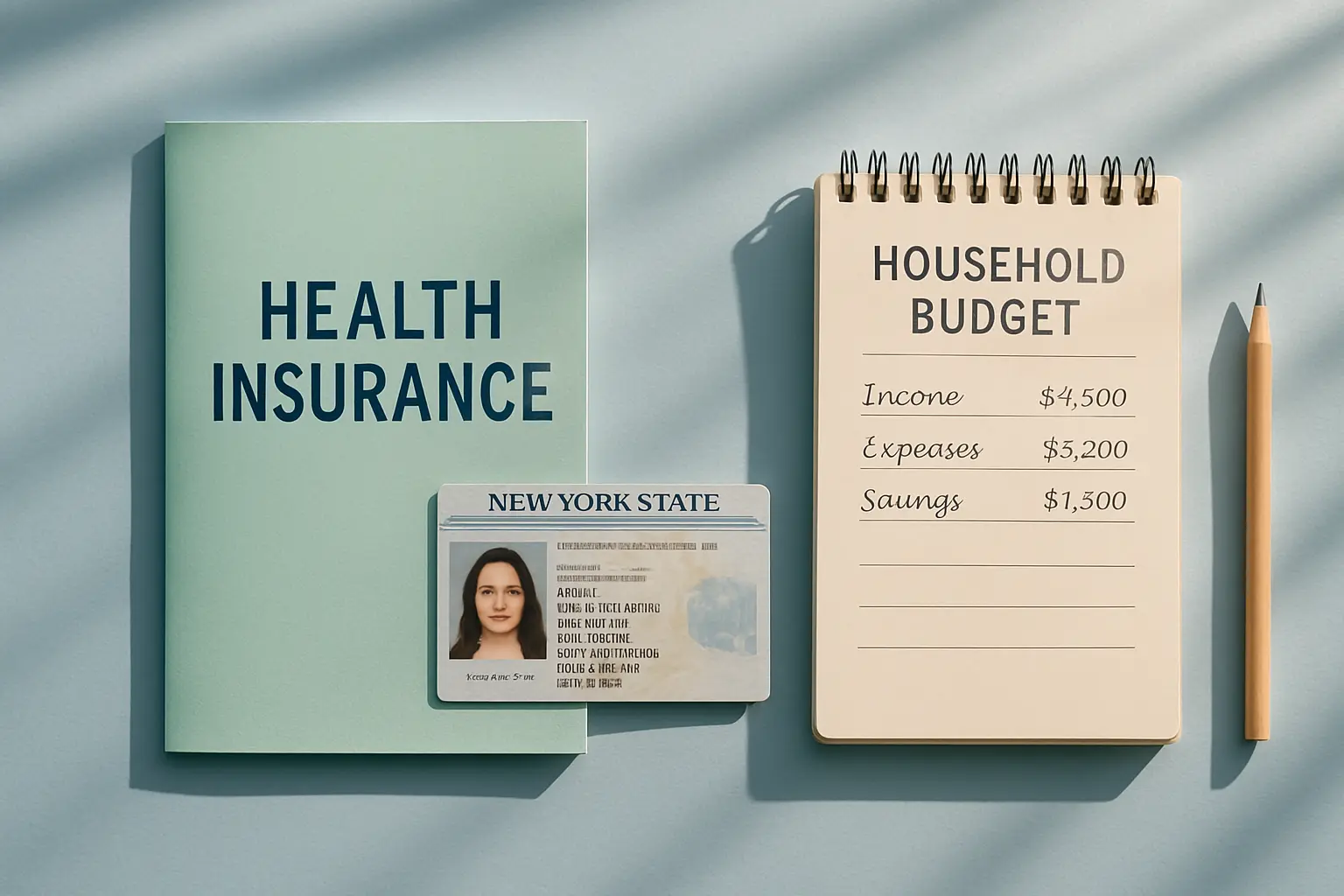

How to Access New State Health Insurance Subsidies If Life Changes This Year
When life takes an unexpected twist — whether it’s a lost job, a wedding, or a leap in income — finding affordable health insurance can feel more complicated than ever. In 2025, several states are making it easier to get covered with expanded health insurance subsidies and new ways to qualify for coverage, even after the typical open enrollment window closes.

Navigating Special Enrollment Periods: Who’s Eligible Now?
Traditionally, most people could only sign up for marketplace health insurance during one set window each year. But state expansions have introduced new Special Enrollment Periods (SEPs), so you may not have to wait months if your situation suddenly changes.
Special Enrollment Periods open a door for those who experience major life transitions, such as losing employer coverage, getting married, having a baby, or seeing a shift in household income.
- Life events that trigger SEPs include job loss, marriage, the birth or adoption of a child, divorce, and significant income changes.
- Some states are also testing more flexible rules — if your income fluctuates or you moved to a new ZIP code, you could get a shot at affordable coverage.
- The window to apply is usually 60 days from your qualifying event. Missing it could mean waiting for the next open enrollment.
How to Apply and What to Prepare: A Quick Checklist
Applying for coverage under these newly expanded state subsidies involves just a few manageable steps. Preparation can speed up the process and boost your chances of finding the right plan for your needs.
“You don’t have to navigate this alone — use your state’s insurance marketplace or connect with an enrollment navigator to get help with your application.”
- Start on your state health marketplace portal or visit Healthcare.gov to check if your event qualifies.
- Gather documentation like proof of the qualifying event (job separation letter, marriage certificate, etc.), proof of income, residency, and identity.
- Compare coverage options available in your area, including new subsidized plans that may have lower premiums due to the latest state policies.
- Double check your deadlines — states vary, but missing paperwork by even a day can set you back months.
What Changes Mean for Different Households
Expanded SEP options don’t mean the rules are identical everywhere. Some states offer special pilot programs or broader eligibility to cushion households with irregular income or gig work. Seniors and adults nearing Medicare age, for example, may find short-term relief options if retirement plans are shifting.
Families don’t have to “tough it out” until open enrollment: subsidy expansion bridges the gap during times of change.
- Working adults and families facing sudden unemployment have new tools to prevent lapsed coverage. Reviewing your eligibility early can save money and stress later.
- Younger people aging off their parents’ plans can access coverage without gap months — especially important if taking a new job or internship without full benefits.
- Self-employed and gig economy workers should look for state-specific allowances, which may now include more generous subsidies than in years past.
Ready to see which programs fit your situation? Tap your state health insurance marketplace or call a navigator today — you might qualify for expanded subsidies or plans tailored just for life’s transition moments.