How This Winter’s Heat Forgiveness Programs Stack Up Against Utility Payment Plans
The first freeze of the season brings comfort food, cozy layers—and a fresh worry over heating bills. If rising costs have you feeling stretched, you’re not alone. This winter, there’s a renewed patchwork of help available across the country, but it isn’t always clear which path—state forgiveness programs or utility payment plans—delivers the best relief when you need it most.
The Basics: What Is Heat Bill Forgiveness vs. Arrearage Payment Help?
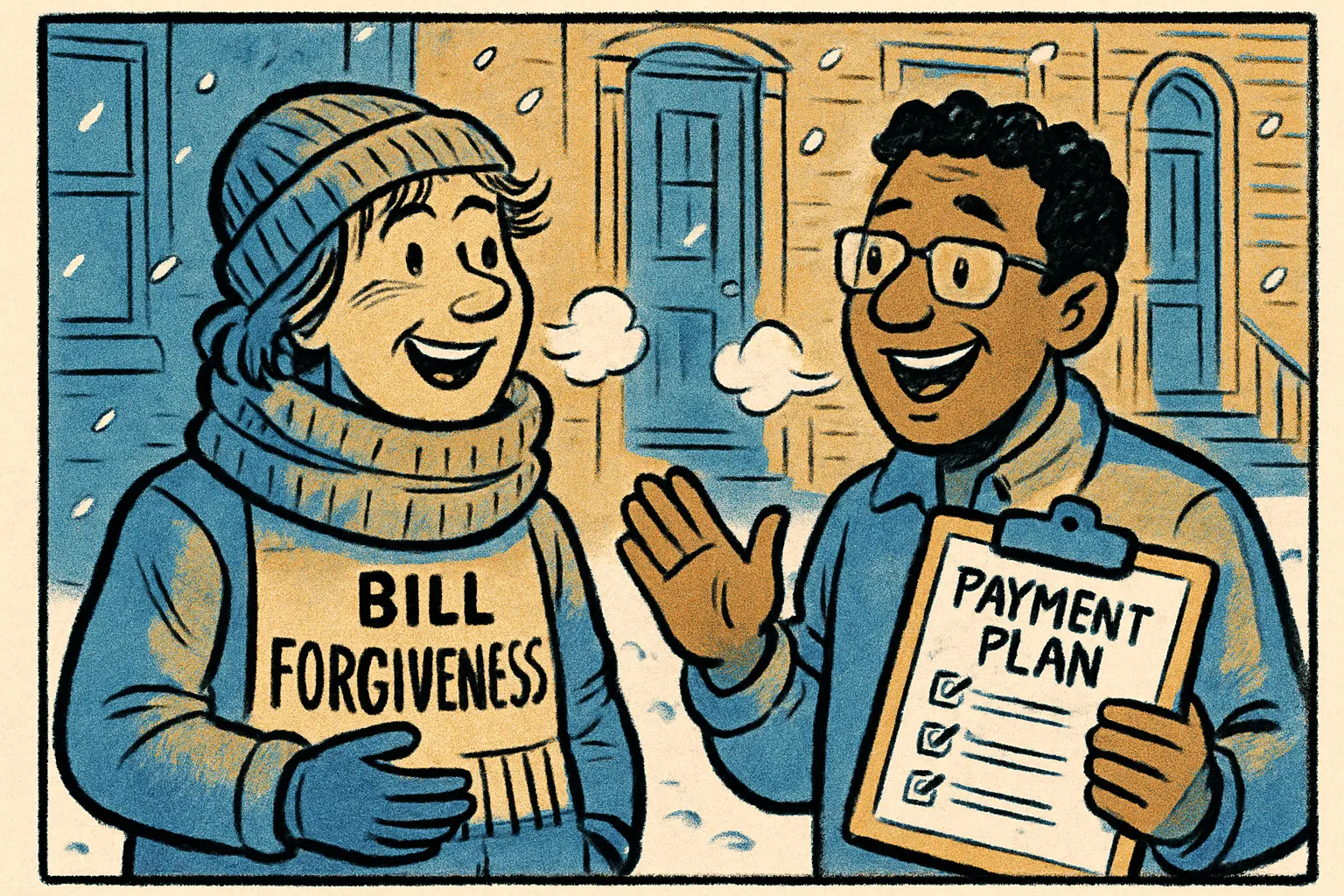
At its core, state heat bill forgiveness programs directly wipe away eligible overdue balances for income-qualified households, often as a one-time reset. The process is typically administered by your state energy office, sometimes tapping into special federal dollars or short-term relief funds.
Forgiveness means approved applicants could see part or all of their heat bill arrears disappear, offering a clean slate. This may be tied to participation in low-income programs like LIHEAP or a state-run grant initiative. Check your state’s energy assistance page or benefits portal for current rules and opportunities.
Arrearage management or payment plans, by contrast, let families catch up slowly—spreading past-due heat bills out over months (sometimes years), sometimes erasing a chunk with each on-time payment. Major utilities like National Grid’s program or PG&E work with customers statewide to avoid shutoffs, reduce late fees, and clear the way back to good standing.
How They Compare: Pros, Cons, and Eligibility Differences
Which path pays off? Forgiveness programs shine when overdue balances are so high a payment plan would take years. These are often best for households with sudden hardship or those at risk of heat shutoff despite qualifying for other aid. However, not every state or utility opens forgiveness rounds each winter—and funds are limited. Smart timing and quick paperwork are key.
Being accepted into a forgiveness program can bring instant relief and credit improvement—but if applications are closed or your situation doesn’t meet the criteria, a utility payment plan ensures your service stays on, with gradual bill shrinkage.
On the flip side, payment plans are less dependent on fund cycles and can be set up directly with your provider. Some utilities offer incentives, like partial arrearage cancellation for on-time payments, lowering the total you owe with each step. Programs like the New Jersey Arrearage Management Program mix this approach by tying forgiveness to successful payment plan entries. Beware: missing a payment can undo progress, so honesty with your utility about what you can afford is critical.
Quick Guide: How to Apply and Maximize Your Winter Relief
The clearest move? Start by contacting your local energy agency or heat provider before bills pile too high. Gather pay stubs, proof of residency, and recent bills to sail through applications faster. If your state offers a one-time forgiveness event, apply early—slots and funding dry up quickly, and priority is usually based on need and application order.
If forgiveness applications are paused, go straight to your utility for a payment arrangement. Some offer online eligibility checkers, or you can ask a customer advocate about grants and arrearage matching perks. PG&E’s guide and National Grid’s portal detail available options.
Check if you qualify for both: Some households can combine one-time bill forgiveness with a structured payment plan, multiplying relief and protecting utility services through the harshest months. If your state or city uses bundled aid, you could also get support for water or electric bills alongside heat aid.
This season’s support isn’t always immediate, but persistence is rewarded. Don’t miss a chance—review your state and utility programs, and see which benefits fit your situation today so you can stay safe and warm, without financial worry, all winter long.