
Could New 2025 Tax Credits Change How You Handle Debt? Here’s What to Know
Every spring, millions of Americans hope for relief as tax season rolls around — but 2025’s tax-time credits may play an even bigger role in easing your debt load. From expanded eligibility to shifting refund amounts, these updates could open new doors, especially for those facing credit card, medical, or personal loan balances. Here’s what’s changing and how you might position yourself to take advantage.
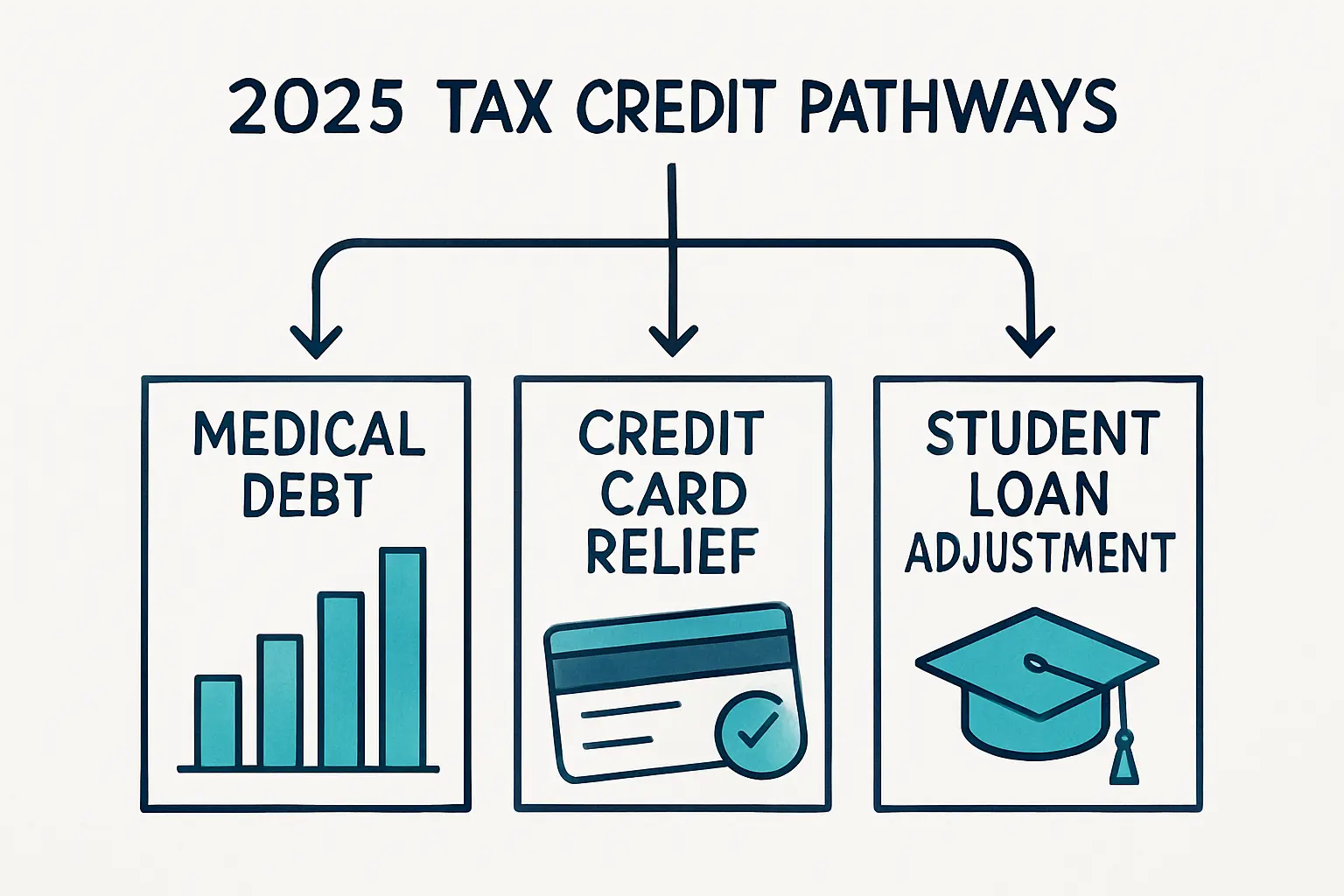
Why Tax Credit Updates Matter for Debt Payoff Plans
Understanding what’s different for 2025 could shape smarter financial moves in the months ahead. Expanded income thresholds may put more money back in your pocket if you’re middle class or working part-time. Meanwhile, proposed increases for credits like the Earned Income Tax Credit (EITC) and the Child Tax Credit mean some households could see noticeably larger refunds—often used to make long-overdue payments on lingering balances.
Higher refunds could be a lifeline for making headway on high-interest debt—just in time.
One possible ripple: certain state-level matching credits could double up with federal changes, creating a rare window to wipe out or shrink some debts more quickly than expected. Be sure to check both federal and local programs for which you might now qualify.
Debt Relief Programs May Get Easier (or Harder) to Access
Larger tax refunds have traditionally meant more direct payments on personal debt, but the coming changes can also influence what debt relief programs deem you as eligible. For example, moving into a new income bracket due to a bigger credit might impact eligibility for income-driven repayment plans, state debt relief grants, or even payment deferral agreements offered by creditors.
If your refund lands you just above a cutoff, it’s worth rechecking every program’s requirements before choosing your next move.
Consider reaching out early to nonprofit counselors or certified credit agencies if you expect a larger-than-normal refund or a significant change to your adjusted gross income in 2025. Tools like trusted benefit finders can help match you to programs you may now qualify for.
Simple Steps to Prepare Before 2025
The smartest approach? Act now. Collect receipts for all possible credits, watch for IRS updates, and keep a list of your personal debts and monthly obligations. That way, if eligibility shifts (up or down), you can calibrate your debt strategy quickly and confidently.
Planning ahead can mean the difference between chipping away at debt— or knocking it out in fewer moves.
Check directly with tax experts, the IRS, or reputable online sources before changing repayment strategies. Programs and requirements change, especially as laws are updated. See which credits might boost your refund and lay out a plan now for using that bump.
Ready to see what you might be eligible for once these tax credit changes arrive? Use benefit-finder tools today, so you’ll be primed to lower stress—and balances—when your 2025 refund hits.