June Grant Cutoffs Are Closer Than They Look Check State Aid Now
A deadline can feel far away until a state portal suddenly says applications are paused, funds are spoken for, or one missing document blocks the whole file. That is why June 2026 grant deadlines matter so much for households trying to catch up on rent, utilities, housing costs, or other basic bills before late summer gets harder.
This is not about one national application. State relief programs often run on short calendars, local agency schedules, or funding rounds that open and close with little fanfare. Some are regular seasonal programs. Others are emergency funds, utility grants, rental help pools, or local hardship dollars routed through state agencies and community partners. The smartest move is to treat June as a check-now month, not a wait-and-see month.
If your budget has been strained by high cooling costs, a missed paycheck, a shutoff warning, or housing trouble, a quick review of state benefit portals and related local programs may uncover options still open for summer 2026. 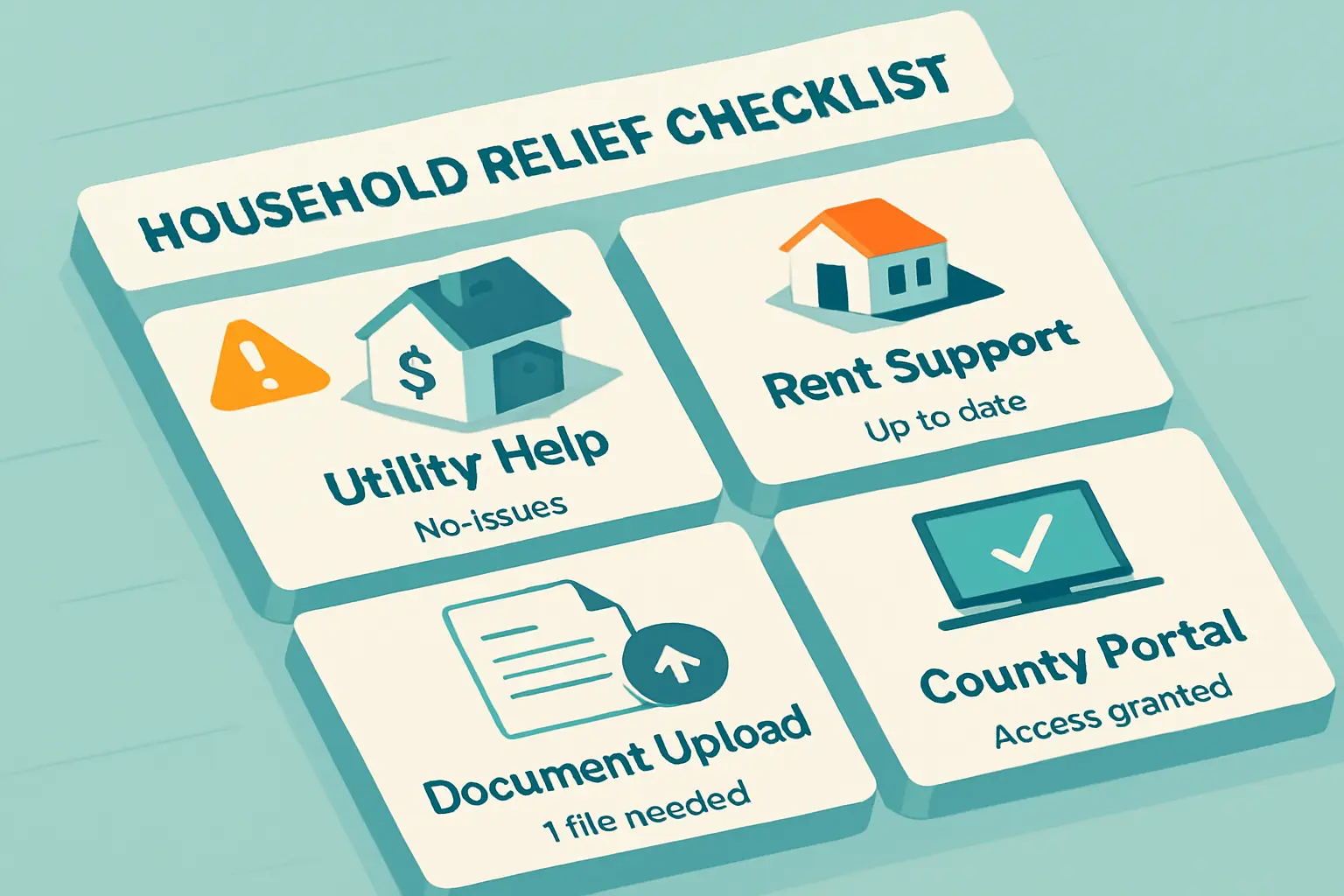
Why June matters more than most people expect
Many relief programs do not end on the last day of summer; they tighten up much earlier, often when demand jumps or agencies finish a funding round.
A June review can matter because some programs stay technically active while certain counties, providers, or grant buckets stop taking new files sooner.
That timing catches people off guard. A household may assume help will still be there in July because the need is bigger in hot weather, but the opposite can happen. Funds may be limited, local administrators may process in batches, and some programs give priority to applicants who complete everything early.
State-administered help can also be scattered across more than one site. Utility aid might sit with a human services department, while emergency housing funds are run by a housing agency or a county contractor. In some states, the state website points you to local community action agencies, which means the true deadline may depend on your area rather than one statewide date.
That is the main takeaway for June 2026 grant deadlines: they are less about one dramatic cutoff and more about shrinking opportunity. If you wait until the crisis feels urgent, you may still find help, but the range of options is often smaller.
Which kinds of state aid deserve the fastest check
The best first targets are programs tied to essentials, because they tend to be the most time-sensitive and the most likely to help prevent a bigger financial slide.
If money is tight, focus first on supports linked to housing stability, utility service, and emergency household needs rather than broad searches that lead nowhere.
Start with five categories.
- Energy and utility help, including regular seasonal assistance, crisis energy aid, arrearage relief, and shutoff prevention
- Emergency rental or housing stabilization funds through state housing agencies, counties, or partner nonprofits
- Cooling-related support, such as bill help, equipment programs, or medically related heat protections
- Short-term household emergency grants for people facing a recent loss of income, disaster, illness, or other hardship
- State benefit portals that screen for multiple programs at once, including food, medical coverage, and cash-related supports
Look first at your state human services or social services site, your state housing agency, your utility company assistance page, and your local 211 directory. For general government starting points, benefit information and 211 help directories can point you toward official or local routes.
For energy costs, many households should also review their state-administered LIHEAP information. Even if a regular season closed earlier, some places still run crisis or year-round components through local agencies. Housing help is more uneven, but state and local programs may still appear through official agency pages or county partners.
How to check whether a program is still open without wasting hours
A quick, targeted search routine usually works better than scrolling random summaries or old social posts that do not show current status.
The goal is not to read everything; it is to confirm three facts fast: whether applications are open, who applies through your area, and what documents are required.
Use your state name plus phrases like emergency assistance, utility assistance, housing stabilization, hardship grant, crisis program, or cooling help. Add your county name too. Stay on .gov pages when possible, and if a state page tells you to apply through a local partner, click through immediately instead of assuming the main state page has all current dates.
When you land on a program page, look for:
- Application status: open, paused, waitlist, or funds exhausted
- Service area: statewide, county-run, or utility-specific
- Eligibility basics: income, household size, address, bill type, hardship event
- Priority groups: seniors, households with children, disability, medical vulnerability, shutoff risk
- Document list and upload method
- Whether aid is first-come, priority-based, or limited by funding rounds
If the website is unclear, call. Ask one direct question: “Are you taking completed applications right now for my ZIP code?” That usually gets a more useful answer than asking whether a program exists. If the agency says a round is closed, ask whether another local partner, waitlist, or related crisis fund is available.
For housing or utility trouble, it can also help to contact the provider directly and ask whether they work with any state or nonprofit grant administrators. Some outside funds are easier to find from the biller side than the state portal side.
Build the document folder before you hit apply
The biggest time saver is having one clean set of papers ready to upload, because many state and local aid programs ask for the same core proof.
A missing bill image or income record is one of the most common reasons a promising application stalls until the funding window is gone.
Most June and summer relief applications pull from a familiar checklist. Gather these items in one phone folder or cloud folder:
- Photo ID for the applicant
- Proof of address, such as lease, mortgage statement, or recent bill
- Recent utility bill, shutoff notice, or rent ledger if relevant
- Income proof for the household, such as pay stubs, benefit letters, unemployment records, or proof of zero income if requested
- Names, birthdates, and basic details for household members
- Any hardship documentation, such as layoff notice, medical letter, disaster notice, or eviction warning
- Account numbers for the provider or landlord, if the program pays them directly
Some programs will also ask for Social Security numbers, citizenship or qualified status details where legally required, or proof tied to a priority category. If someone in the home has a heat-sensitive condition, medical equipment needs, or another vulnerability, keep that note handy too if a program screens for urgency.
Take clear photos instead of waiting to find a scanner. Name the files simply so you can spot them fast. A small preparation step like this can let you apply to several programs in one sitting if you discover more than one option.
What to do if a June deadline already passed
A closed round does not always mean the search is over, because adjacent programs often solve part of the same problem in a different lane.
When one fund closes, the next-best move is to ask what other program handles the same type of need, not to stop looking altogether.
If a state grant is closed, check for county emergency help, utility-run hardship support, city funds, community action agencies, and nonprofit gap funding. For utility trouble, ask the provider about payment plans, medical holds, or arrearage management while you continue searching. For housing trouble, ask whether your county or local legal aid office knows of eviction prevention or landlord-tenant stabilization funds still operating.
This is also where a broad benefits review can pay off. If your income changed, you may want to check health coverage options, state food benefit portals, or other state-administered supports that free up cash for bills even if they are not labeled as emergency grants.
Another smart move is to ask whether a closed program maintains a waitlist or opens a second round later in the season. Some agencies cannot promise future funding, but they may tell you when to check back or where replacement dollars usually appear first.
June deadlines matter because they narrow the field, not because they end every path. A missed window is frustrating, but it often points you toward the next most relevant option if you keep asking the right follow-up questions.
A simple fast-track plan for the next day or two
If you need help before summer gets away from you, one short action block can uncover more than a week of vague searching.
The households that tend to move fastest are not the ones with the most free time; they are the ones that decide on an order and stick to it.
Use this sequence:
- Check your state human services site and state housing site
- Review your utility assistance page and current bill messages
- Call 211 for local emergency funding and application directions
- Save your documents in one folder before starting forms
- Apply first to the program tied to the most urgent bill or service risk
- Follow up within a day if the portal does not confirm submission
- Ask every agency whether another partner program should be checked too
Keep notes with dates, login details, confirmation numbers, and the names of anyone you spoke with. If a site says pending, that record helps if you need to call back before a round closes.
Summer aid is rarely one neat program with one easy answer. More often, it is a mix of state funds, local grants, utility protections, and related benefits that work together. A careful check now can still make a real difference before the hottest and most expensive part of the season arrives. Take a few minutes today to see which June and early-summer programs still fit your address, your bills, and your current income picture.