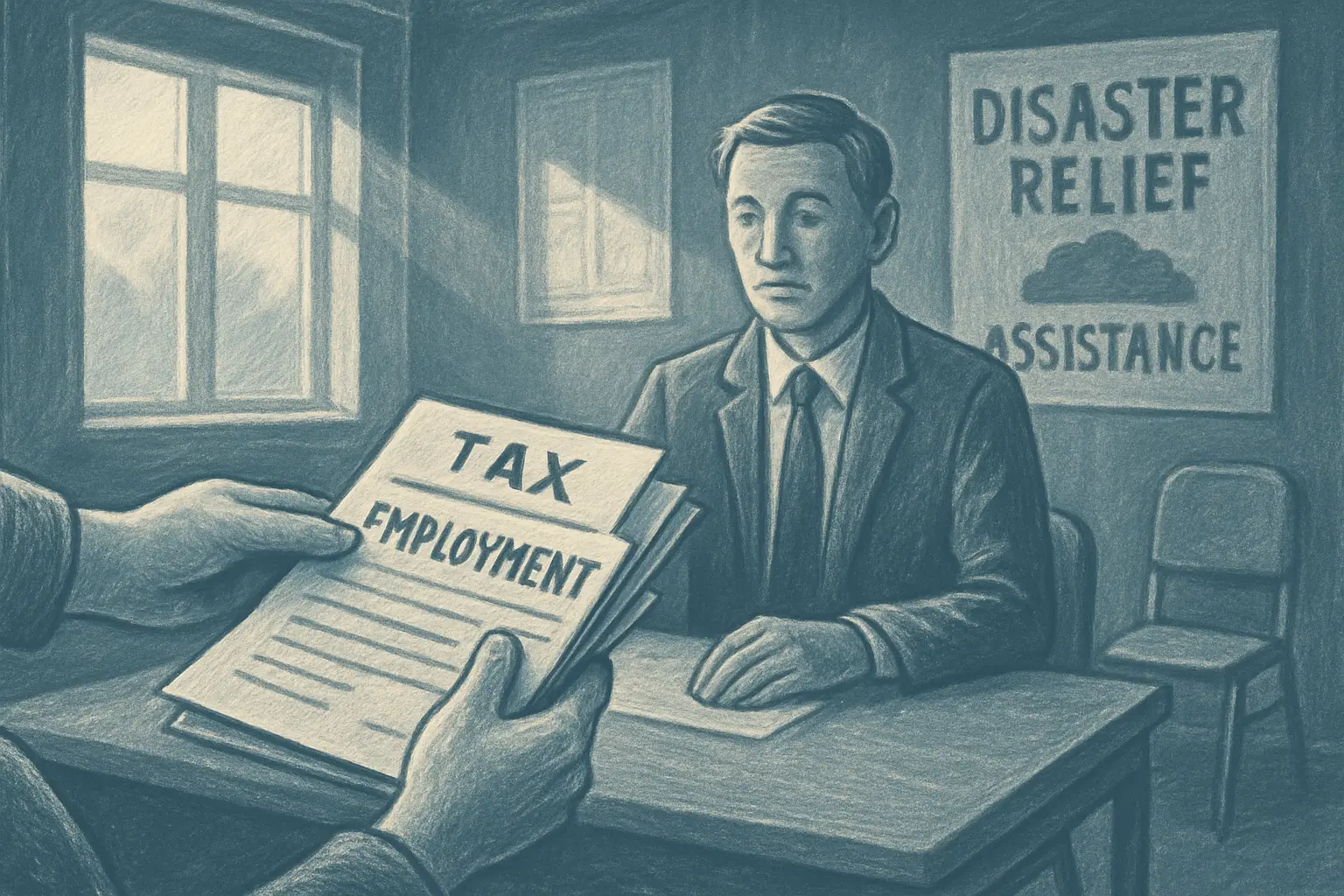

What to Know Before Applying for Disaster Unemployment Assistance After an Emergency
When a natural disaster or emergency declaration halts local jobs overnight, fast financial relief can be critical. Disaster Unemployment Assistance (DUA) steps in for people who lost work and wouldn’t normally qualify for state unemployment—including the self-employed, gig workers, and those affected by business closures tied directly to the disaster.
DUA can bridge the gap, but understanding the requirements and acting quickly could be the difference between missed support and real help.
If wild weather or sudden crises put paychecks on pause, the right paperwork—collected right away—matters more than ever.

Who Can Qualify for DUA? Key Criteria to Know First
DUA opens up for those whose employment or income was disrupted directly due to a federally declared disaster. You may be eligible if:
- You lost your job or can’t reach your workplace due to disaster damage or official closure.
- Self-employment is interrupted or made impossible (like a shop destroyed by floods).
- You can’t work because of injury caused by the disaster.
- You now serve as the family breadwinner due to a disaster-related death.
Regular unemployment ineligibility is a must—DUA is designed for people left out of standard unemployment, not those who fit both programs.
Even farmers, freelancers, or seasonal workers may claim aid, but only if the loss is disaster-specific and not tied to broader economic slowdown.
What to Gather and How the Application Works
DUA deadlines appear soon after a state or federal declaration—often as short as 30 days. To apply, prepare:
- Proof of employment or planned work before the disaster (such as pay stubs, contracts, bank statements for self-employed individuals)
- Government-issued photo ID
- Documents that clearly show your loss or impact (like communications from an employer, disaster claims, or property damage reports)
- Any insurance settlements received or anticipated
Time is not on your side here. Wait too long to file, and benefits may be denied, regardless of your circumstances.
Your state’s unemployment website or the U.S. Department of Labor will have step-by-step instructions. Processing times and paperwork requirements do vary, so call ahead or check FAQ sections for guidance tailored to disaster claims.
After Applying: Approval, Next Steps, and Helpful Resources
Once your application is submitted, there’s often a short review followed by requests for more supporting information or an eligibility interview. If approved, benefits are typically paid retroactively to your first day of disaster unemployment, subject to a weekly limit set by your state.
Don’t panic if your first answers are delayed. Review your documentation and check all messages from your state labor department—sometimes just a missing letter or update holds the key to final approval.
- If you move or your work returns, report changes right away—ongoing eligibility depends on regular certification and honest updates.
- Keep an eye out for official messages about application extensions or appeals—some disaster declarations evolve, changing the benefit timeline.
- For state-specific details, search your labor department website or visit the Department of Labor’s DUA guide for up-to-date contacts and requirements.
Disaster relief programs change quickly in response to events. Double-check current eligibility rules, and ask trusted officials for help if you’re not sure where to start. Want a personal list of state programs that could fit? Use local search tools and benefit finders and see what relief options you might qualify for today.