How to Find the Best Prescription Coverage for 2025—Beyond Discount Cards
Every year brings changes in prescription coverage—and 2025 is no exception. Whether you’re juggling out-of-pocket medication costs, navigating massive deductibles, or exploring options for an uninsured family member, the patchwork of programs can seem overwhelming. But knowing where to start could mean more money in your pocket with each refill.

State Savings Cards: Fast Relief, But Limitations Apply
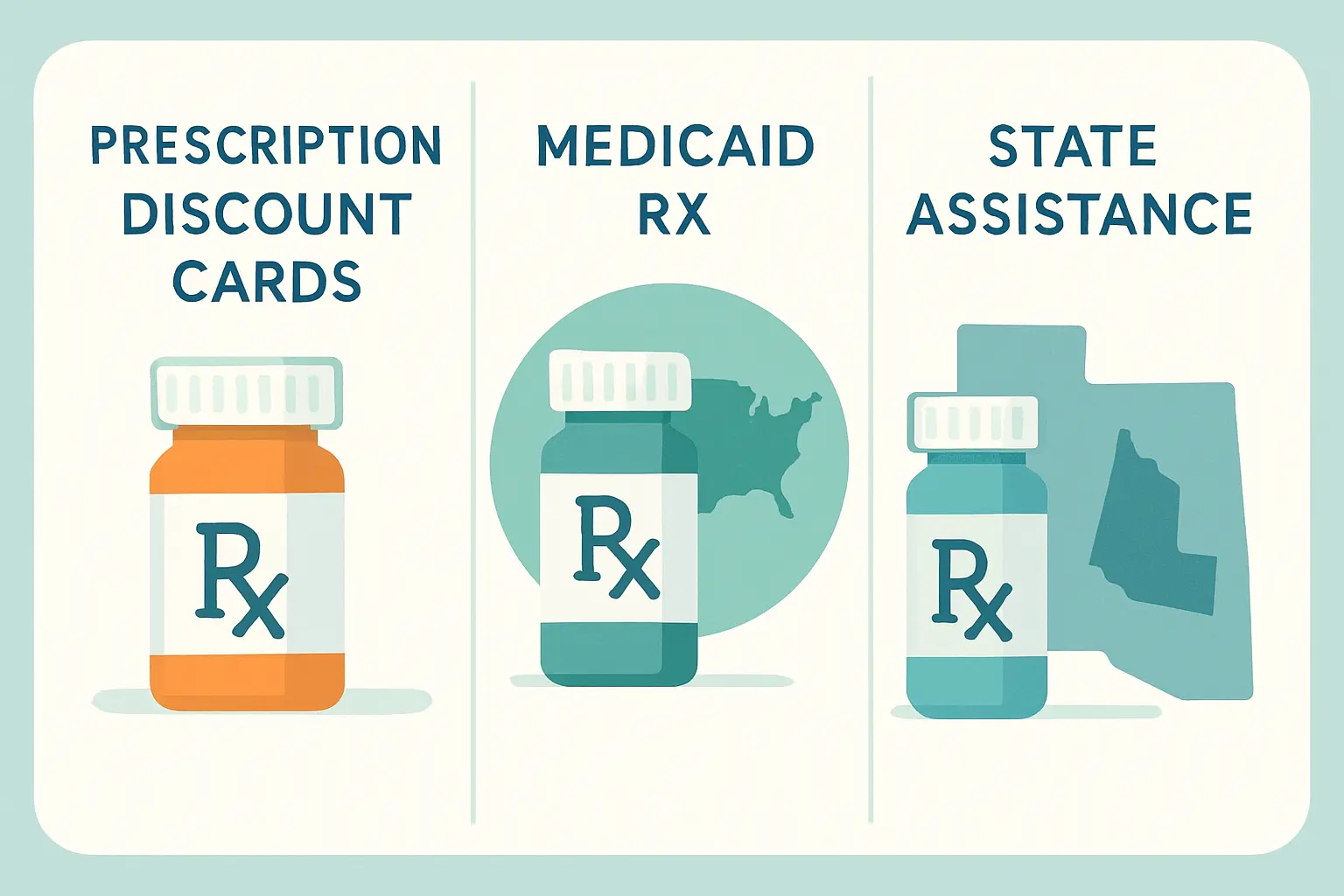
Many states offer prescription savings cards promising easy access to discounts, even for residents without insurance. For instance, the Oregon Prescription Drug Program and Washington’s ArrayRx Discount Card provide cards free to all residents. These programs claim potential savings of up to 80% on generics and about 20% on brand-name medications at thousands of local pharmacies. For anyone caught between prescriptions and paycheck, these cards can feel like vital lifelines.
Still, most cards can’t offer coverage for every medicine, and some high-demand drugs remain expensive even with a discount. If you depend on costly therapies or rare medications, dig into the fine print before counting on a discount card as your primary safety net.
Medicaid: Comprehensive if You’re Eligible
Medicaid programs, managed by each state, generally offer the broadest prescription benefits for individuals and families who meet specific income and need-based requirements. With recent expansions and ongoing reforms (such as those propelled by initiatives like California’s SB 41 legislation adjusting pharmacy pricing practices), Medicaid’s impact on household medication budgets in 2025 could be substantial. Those who qualify see low or even no copays on essential medicines.
The tradeoff? Strict eligibility and regular reporting. Some who earn just above the threshold or miss paperwork deadlines may have their coverage lapse. Before your next renewal, review your household size, income totals, and in-state residency details to make the process smoother.
State Pharmacy Assistance: Local Programs to Fill the Gaps
Specialized programs fill vital cracks in the system, especially for underrepresented conditions and income brackets. Take Pennsylvania’s Special Pharmaceutical Benefits Program (SPBP), which helps those with HIV cover medicine and associated lab work when other insurance falls short. Some local solutions even support certain seniors, people with chronic conditions, or residents with high prescription costs relative to their income. Checking your state health department’s pharmacy assistance listings often uncovers lesser-known, targeted savings programs.
One key: Program eligibility and funding can change yearly, sometimes without much warning. Staying on top of annual application timelines and knowing how your situation fits is critical if you depend on these programs long-term.
Next Steps: Your Checklist for Lower Rx Costs in 2025
The landscape of prescription benefits shifts fast—but you don’t have to go it alone. Gather your details (current medications, dosage, pharmacy usage, and income paperwork) before comparing options published for the new year.
Start now: Explore your eligibility for Medicaid or specialized pharmacy assistance, and try your state’s discount card to see what it covers at your nearby pharmacy—many let you compare prices online in real time.
Unsure where your situation falls? Visiting your state health department website, local benefits counselor, or community health clinic can surface programs you might not realize you qualify for. Sometimes, small paperwork tweaks make big budget differences! Curious what’s out there for your unique situation? It’s worth checking eligibility before your next fill—program eligibility updates and links are often released in the first quarter of each year. Take five minutes and see what savings you’ve been missing.