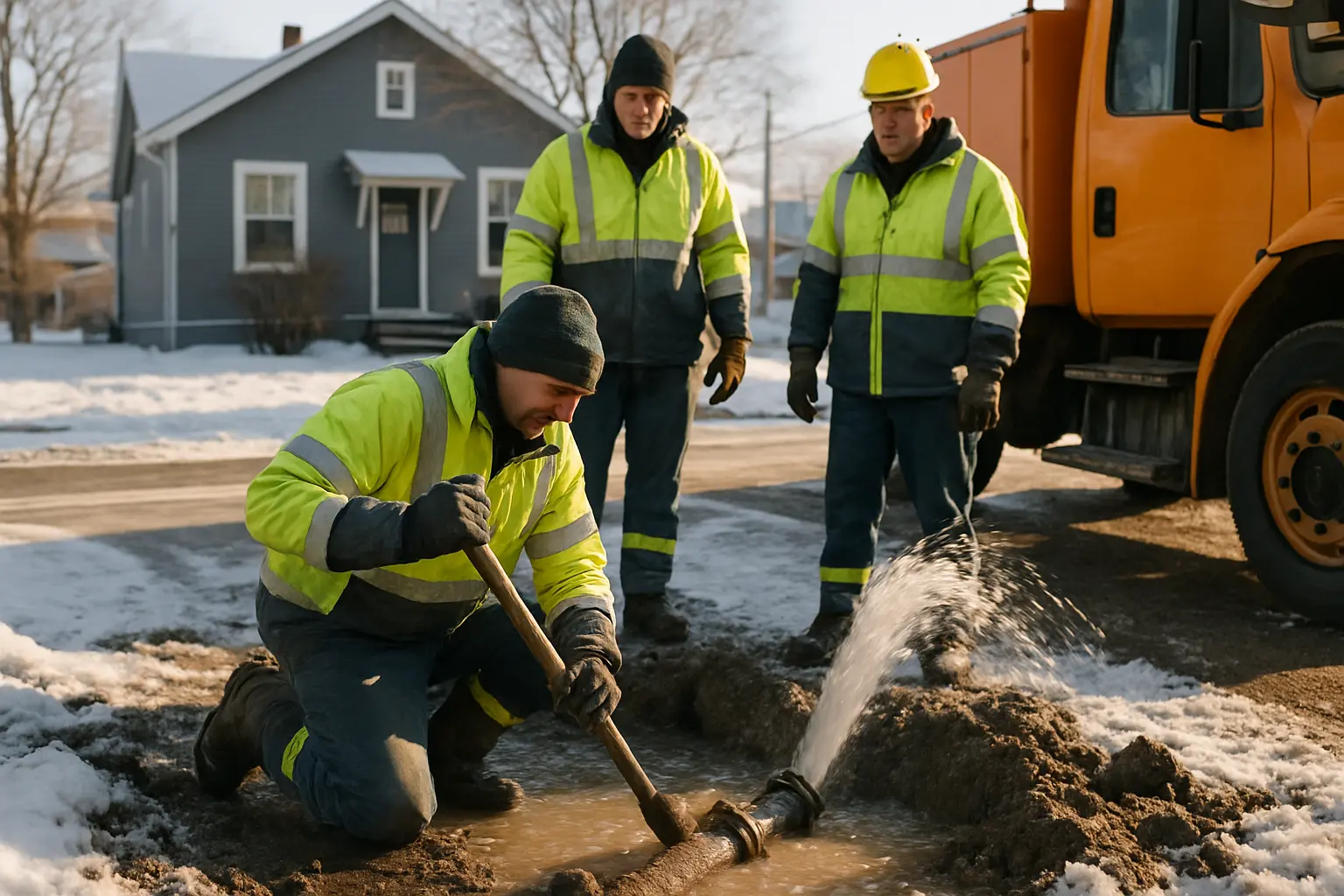

How to Claim Emergency Burst Pipe Grants and Keep Winter Water Damage from Ruining Your Home
When bitter cold strikes, it takes just a single night for a burst pipe to upend a family’s finances—soaking floors, damaging walls, and leaving costly repairs in its wake. But before you drain your savings, real-time grants and rapid assistance can provide emergency relief for winter water damage if you know how to access them fast.
Where to Find Fast Emergency Help—And Who Qualifies?
Many states, cities, and water companies quietly offer burst pipe or home repair grants right after severe freezes. Key eligibility includes recent, weather-related pipe damage, residency, and proof that household income falls within program guidelines. If your region is under a disaster declaration after a freeze or storm, you may qualify for expanded relief from federal programs as well.
“Favor speed over perfection—bring clear photos of the damage, recent utility or mortgage statements, and any repair estimates. Applicants with packets ready often move ahead of the line for available funds.”
- FEMA: Offers Individual Assistance for sudden home damage in disaster-declared zones, including repair grants for plumbing and basic water safety restoration. Always ask if your locality qualifies for rapid FEMA registration.
- Community Action Agencies and Local Housing Providers: Many cities and counties run “Emergency Repair” or “Homeowner Rehabilitation” programs covering emergency plumbing. Search your city’s housing department website as soon as you discover a burst pipe.
- State HEF Programs: Some states have released Homeowner Emergency Funds (“HEF grants”) just for burst or frozen pipe events—especially after back-to-back winter storms.
Don’t count yourself out just because your area isn’t listed—utility companies sometimes create “winter hardship” grants for affected customers, and nonprofit organizations or faith-based agencies often fill gaps with crisis funding.
The golden window is often days—not weeks—after damage for applying to limited spring repair funds. If your neighbor heard about help, call your local office to double-check current deadlines.
What Documents and Steps Make a Difference?
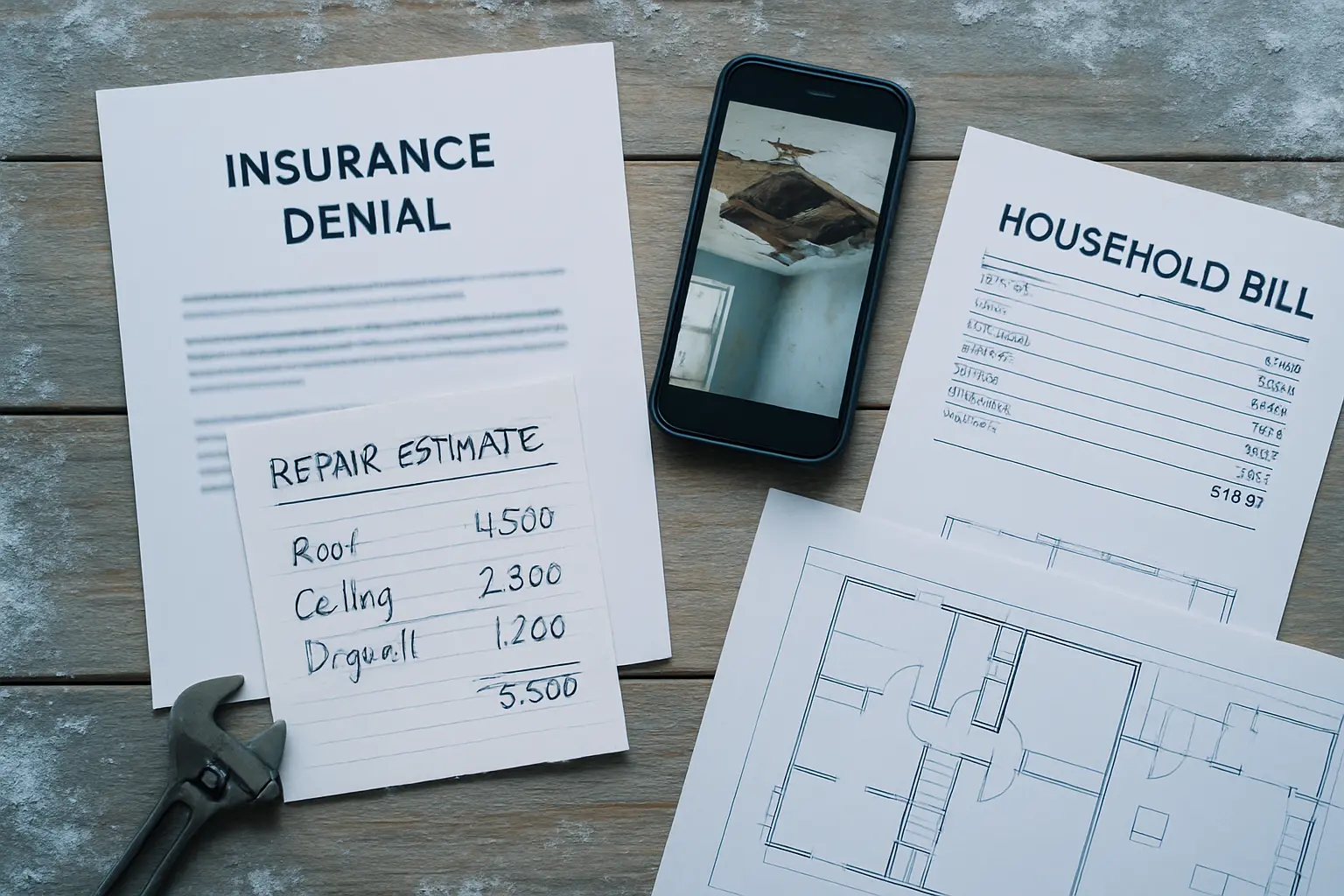
Timely, organized paperwork smoothens your path to burst pipe aid. Typical documents include: clear damage photos, recent tax returns or pay stubs, a repair estimate from a licensed plumber, and a copy of your homeowner’s or renter’s policy (even if you know you’ll be denied for water claims).
Presenting your application with every required document on the first try can prevent delays—helping you claim an available grant or get placed at the top of the relief waitlist.
- Start by calling your local housing or community development office. They’re usually first to open short-term applications.
- Use the Disaster Assistance portal if there’s been a federal emergency declaration in your town.
- If insurance won’t pay quickly: bring your denial letter. Most program funds work alongside or after private insurance, not before.
- Apply for multiple programs in parallel—you can accept the first to pay or layer grants and interest-free loans for bigger repairs.
Many housing counselors, church organizations, and legal aid offices will help you assemble documents or navigate appeals at no cost if you’re unsure where to start.
“Having even partial documentation gets your case open—and with limited winter funds, partial is always better than late.”
Moving Forward: Tips to Boost Your Odds for Speedy Relief
Burst pipe assistance isn’t automatic, but every year, thousands get repairs covered thanks to picking the right path at just the right moment. The strongest strategies:
- Check for city/county home repair grant openings directly after a freeze notice—openings are often posted on housing or code enforcement websites, not in the news.
- If your state posts a “winter damage form” or launches a special hotline, complete it (even if details aren’t clear yet) to get added to outreach lists before funds run dry.
- Document everything—save receipts, photos as damage develops, and copies of every conversation with insurance or agency reps.
- Ask about related perks—some programs will help with mold mitigation, temporary shelter costs, or even add weatherization fixes to prevent future freeze-ups.
This winter, don’t let damaged plumbing snowball into debt. The emergency grant you need may be open now, but with limited slots—so grab your photos and documents, reach out today, and see which burst pipe relief programs are ready to help your home bounce back.
With smart moves and quick action, emergency water damage support can mean the difference between continued hardship and true recovery. Ready to check your eligibility and claim help before those winter repair bills pile up? Start with your zip code—and get the process started now while funds remain.